
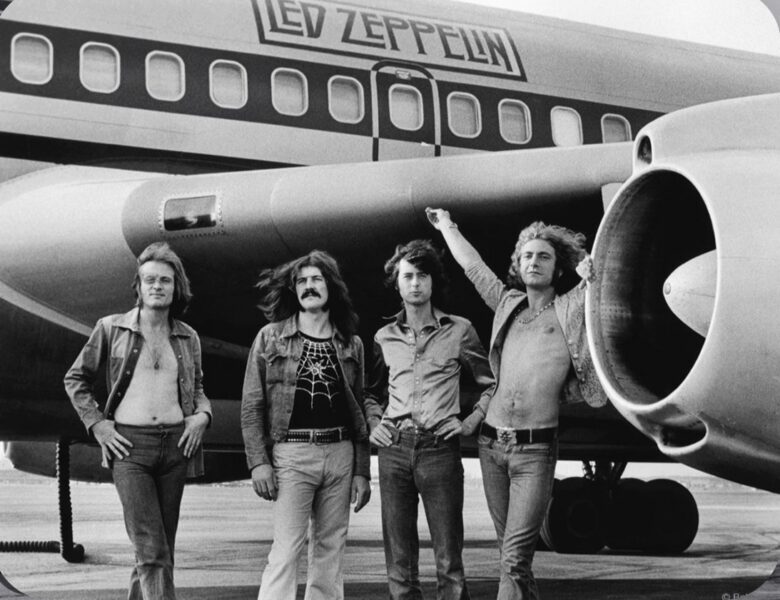
How Led Zeppelin Turned a Crumbling Old House Into Rock and Roll Mythology
Before Led Zeppelin IV became one of the biggest rock albums ever, the band wanted to disappear.
No album title.
No band name on the cover.
No explanation.
Just four symbols and the music.
After critics trashed Led Zeppelin III for being too acoustic, Jimmy Page and the band had something to prove. So they went to Headley Grange, an old, spooky mansion in England, and started recording in a place that felt more haunted than professional.
And somehow, that became the magic.
John Bonham’s drums on “When the Levee Breaks” were recorded in a stairwell, giving them that thunderous, earth-shaking sound. Jimmy Page shaped riffs that sounded ancient and dangerous. Robert Plant pulled lyrics from blues, fantasy, heartbreak, and mythology. John Paul Jones held the whole thing together like a secret weapon.
Then came “Stairway to Heaven.”
The band didn’t release it as a single.
They didn’t need to.
Radio played it anyway. Fans memorized it. Guitar players chased it. Critics argued over it. And Zeppelin became more than a band — they became a legend people whispered about.
The craziest part is that they stripped away the branding and became even bigger.
No title. No name. Just sound.
Final thought idea:
Led Zeppelin didn’t just make a rock album. They built a castle out of blues, thunder, and mystery — and somehow, the whole world walked inside.